Grid Reliability vs. Decentralized Resilience
Traditional power grids are centralized systems vulnerable to transmission congestion, extreme weather events, and peak-time supply shortages. An on-site solar plus battery storage installation creates a resilient microgrid that stabilizes local energy supply and minimizes grid strain.
Maintenance, Degradation & 30-Year Lifespan
With zero moving mechanical parts, photovoltaic panels feature exceptional long-term reliability:
- Minimal Annual Degradation: Modern N-type cells degrade at approximately 0.4% per year (compared to 0.7% on older modules), guaranteeing over 85–89% of original capacity after 25–30 years.
- Durability Standards: Quality panels are certified under IEC 61215/61730 for resistance against hail impacts (25mm hail at 80 km/h), heavy snow loads (up to 5400 Pa), and high wind uplift.
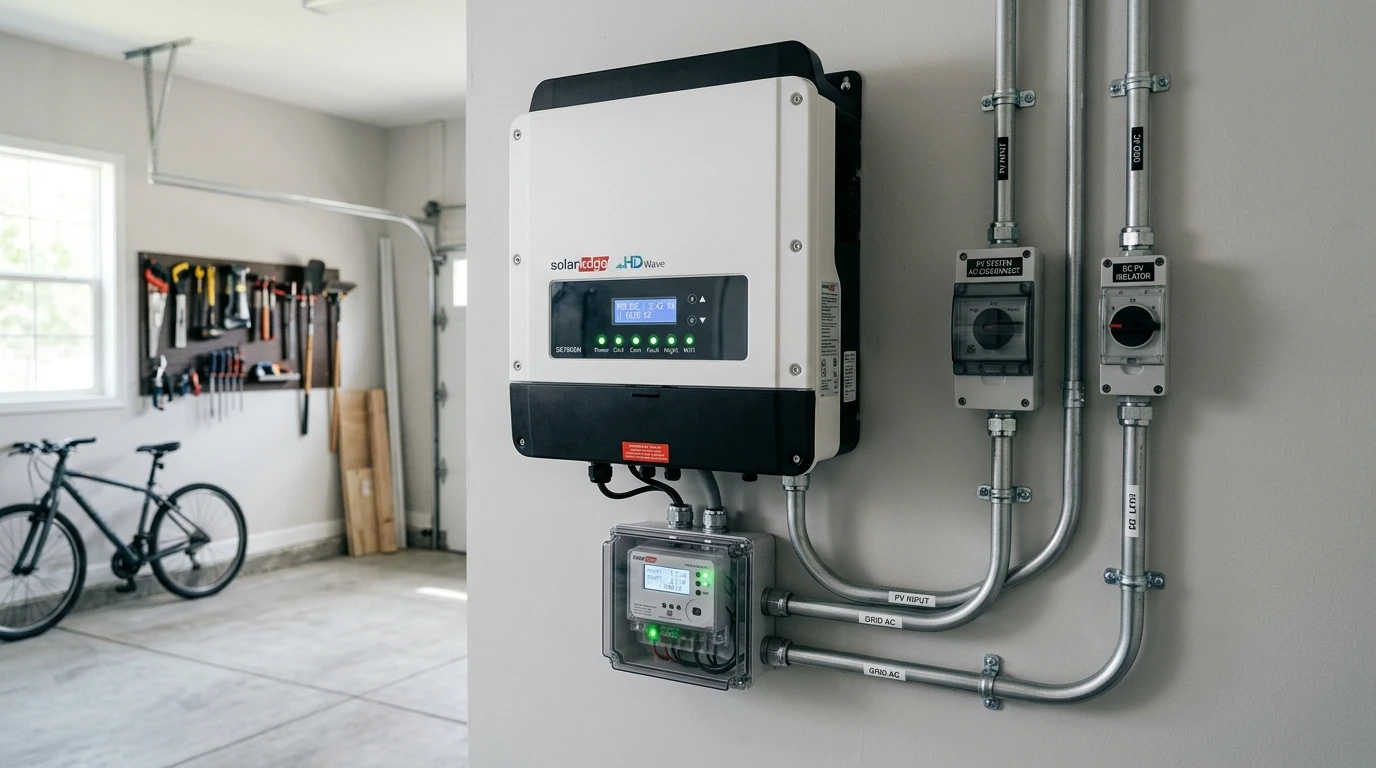
- Solid-State Reliability: Inverters and microinverters utilize automotive-grade semiconductor components with integrated rapid shutdown and arc fault protection (AFCI).
Advanced Monitoring & Microinverters
Today's smart inverters and module-level power electronics (MLPE / microinverters) provide module-level Maximum Power Point Tracking (MPPT). This mitigates partial shading losses from chimneys, trees, or roof valleys and provides granular, real-time telemetry straight to your smartphone.